
Applewood sits where Denver’s urban edge meets the foothills. The landscape here carries a distinct character that shapes how homes look and feel. Pine trees, scrub oak, and natural rock outcroppings define the visual environment. Building materials that complement this setting create spaces that feel integrated rather than imposed.
Many homeowners automatically assume composite decking represents the best modern choice. The marketing emphasizes low maintenance and durability. Those benefits matter, but they tell an incomplete story.
Real cedar offers advantages that synthetic materials simply cannot replicate, particularly in environments like Applewood where natural aesthetics and environmental harmony matter deeply.

The Natural Beauty That Composites Can’t Match
Western red cedar brings warmth and texture that composite materials struggle to imitate. The grain patterns vary naturally from board to board. Knots and color variations create visual interest. The wood ages gracefully, developing a silvered patina that many people find more attractive than the original color.
Composite decking products attempt to replicate wood grain through embossing and printing. Some manufacturers have improved their techniques significantly. Stand on the deck and look closely, though, and the repetition becomes obvious. The same printed pattern repeats every few boards. The texture feels uniform and manufactured.
Natural wood responds to light differently throughout the day. Morning sun highlights the grain. Evening light creates depth and shadow. Cedar’s organic nature makes your outdoor living space feel alive and connected to the surrounding landscape. Composite materials reflect light with consistent uniformity that lacks this dynamic quality.
How Cedar Handles Applewood’s Foothills Climate
The climate in Applewood differs slightly from lower elevations in the Denver metro. You’re closer to the mountains, which means more dramatic temperature swings and occasionally heavier precipitation. The air stays drier overall, but afternoon thunderstorms dump water quickly during the summer months.
Cedar naturally resists moisture damage better than many people realize.
The wood contains natural oils that repel water. These same oils make cedar naturally resistant to rot and insect damage. You don’t need chemical treatments to protect it the way pressure-treated wood requires.
Temperature fluctuations affect different materials in distinct ways. Cedar expands and contracts, but the movement happens gradually and predictably. The wood responds to environmental changes without the dramatic warping or buckling that can affect composite materials during extreme temperature swings. Some composite decking materials become uncomfortably hot under direct sunlight. Walk barefoot on cedar during summer, and the surface stays cooler.
The way cedar weathers in Colorado’s climate creates character. Most composites try to maintain their manufactured appearance indefinitely. Cedar embraces change. The weathering process suits properties surrounded by natural vegetation and rock formations. Your deck becomes part of the landscape rather than an artificial element imposed upon it.
Maintenance Reality: Less Demanding Than You Think
The conversation around maintenance often gets exaggerated. Composite manufacturers emphasize their minimal maintenance requirements, which leads people to believe cedar demands constant attention. The reality falls somewhere between those extremes.
Cedar does require periodic sealing to maintain its original appearance. Apply a quality sealer every 18-24 months, and your deck keeps its warm tones. Skip the sealing and the wood transitions to a silver-gray patina. Both options work. The choice depends on your aesthetic preferences and maintenance lifestyle.
Basic upkeep stays straightforward. Sweep debris regularly so leaves and needles don’t trap moisture. Clean the surface once or twice yearly with mild soap and water. Check that fasteners remain tight. These tasks take minimal time and keep the deck in excellent condition.
Compare this to composite maintenance, which remains low but not zero. Composite surfaces still collect dirt, mold, and mildew. They require cleaning. Some staining occurs despite marketing claims. Most composites can develop surface mold in shaded areas, particularly here, where moisture from afternoon storms sits on boards overnight.
The maintenance conversation should focus on what you’re maintaining. Cedar maintenance preserves real wood that adds genuine value and beauty. Composite maintenance addresses synthetic materials that will eventually need complete replacement since individual boards often can’t be easily swapped once the product line changes.

Environmental Considerations in Foothill Communities
Applewood attracts people who value natural surroundings. Many residents choose the area specifically because they want to live near open spaces and mountain views. The materials you select for your property reflect those values or contradict them.
Cedar comes from renewable forests. Responsible forestry practices ensure continued availability. The material biodegrades naturally at the end of its life. Processing cedar into lumber requires less energy than manufacturing composite materials.
Composite decking materials combine wood fiber with recycled materials and plastic. Manufacturers present this as environmentally friendly because it uses recycled content. The production process, however, requires significant energy. The materials don’t biodegrade. When your composite deck reaches the end of its life in 25-30 years, all that material goes to a landfill.
For properties surrounded by natural landscape, cedar integrates more authentically. The material came from a similar environment and returns to it visually. Birds, chipmunks, and other wildlife interact with cedar decks as extensions of the natural habitat. Synthetic materials remain foreign elements.
Cost Analysis Beyond Initial Installation
Price comparisons between cedar vs composite Applewood homeowners typically focus on upfront costs. Cedar lumber costs less per board foot than quality composite products. Installation labor runs similarly since both materials use standard deck building techniques.
Factor in the complete lifecycle, and the calculation becomes more nuanced. Cedar requires maintenance investment over time. Sealers cost money. Labor for application adds up. Most homeowners can handle this work themselves, which reduces costs significantly.
Composite materials need less regular maintenance, but repair becomes complicated. Damage a composite board and replacing it often proves difficult. Manufacturers discontinue colors. New production runs don’t match older materials. You might need to replace entire sections to maintain a consistent appearance.
Cedar boards can be replaced individually without matching concerns. New boards installed alongside older, weathered ones actually look intentional. The natural variation makes repairs blend seamlessly. This flexibility adds long-term value that pure cost comparisons miss.
When Composite Materials Make Sense
Composite decking serves some situations better than cedar. Understanding those contexts helps you make informed decisions.
Properties in full shade deal with moisture regularly. The reduced air circulation and constant dampness create conditions where even cedar’s natural resistance gets challenged. Composite materials that truly resist moisture might perform better in these specific circumstances. Ground-level decks in heavily shaded areas see more mold issues with any material, but composites handle it slightly better.
Homeowners who genuinely want zero maintenance and accept the aesthetic tradeoffs might prefer composites. If sealing a deck every couple of years feels burdensome and you don’t mind a synthetic appearance, composites deliver on their low-maintenance promise.
Railings and stairs receive harder wear than deck surfaces. Some builders combine materials, using composite for railings where durability matters most, while keeping cedar for the primary deck surface. This hybrid approach balances practical concerns with aesthetic goals.
The Long Lasting Deck You Actually Want to Use
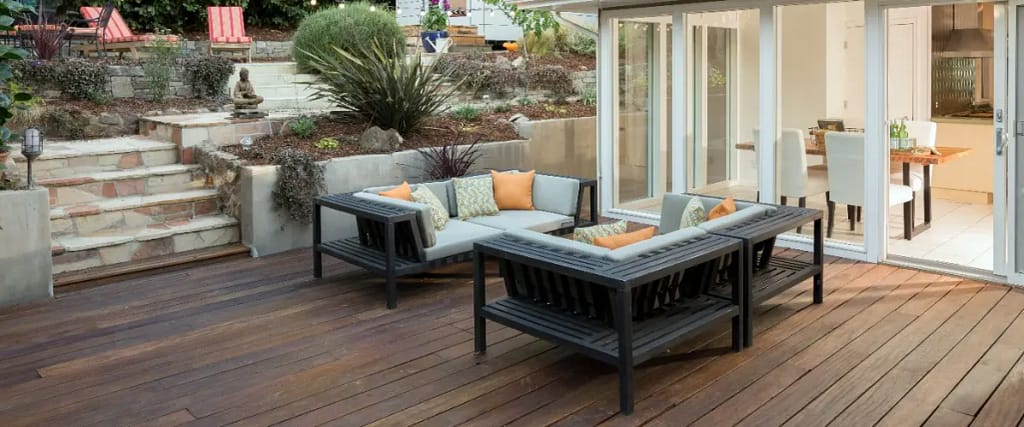
Building a deck means creating outdoor living spaces where you’ll spend time with family and friends. The surface under your feet affects how the space feels. Cedar provides tactile warmth that makes you want to walk barefoot. The wood responds naturally to touch in ways synthetic materials don’t replicate.
Your outdoor space becomes an extension of your home. The materials you choose signal what you value. Cedar demonstrates appreciation for natural materials and traditional craftsmanship. The wood connects your deck to the surrounding foothills environment in Applewood.
A deck should improve with age rather than simply enduring it. Cedar gains character as it weathers. The patina develops personality. Composite materials maintain their factory appearance until they eventually fade and need replacement. The aging process looks like deterioration rather than maturation.
Proper Installation Makes the Difference
Material selection matters tremendously. Installation quality determines how well those materials perform. Cedar requires specific techniques to maximize its natural properties.
Using the right fasteners prevents rust staining and ensures boards stay secure. Spacing boards properly allows for expansion and drainage. Selecting appropriate grades of cedar lumber for different applications affects durability. Joists and structural elements might use pressure-treated wood for added strength while deck boards and railings showcase cedar’s beauty.
Working with builders who understand wood and respect its characteristics produces better results. They know how to orient boards to minimize cupping. They understand which sealers work best in Colorado’s climate. They build structures that let cedar perform at the highest level.
Sorting through decking material options, comparing cedar vs composite for your specific situation, and planning a project that balances aesthetics with practical concerns takes considerable effort. You could spend weeks researching, visiting lumber yards, and trying to make decisions that you’ll live with for decades.
At Conable Builders, we’ve built wood decks throughout Applewood and the foothills. We understand how different materials perform in this specific environment. We can show you cedar deck building projects we’ve completed nearby and discuss honestly which approach suits your property, lifestyle, and vision best.
Let us handle the complexity of your dream deck while you focus on how you’ll use your new outdoor living space. Call us at (720) 215-1072 or message us here to talk about your project.